
The Thrill of Uncertainty
The psychology of casino gambling is deeply rooted in the allure of uncertainty and the excitement it generates, especially when considering options like online pokies nz . Gamblers often find themselves drawn to the unpredictability of games, which can lead to moments of exhilaration with wins and the anticipation of potential losses. This heightened state of arousal activates the brain’s reward pathways, releasing dopamine, a neurotransmitter linked to pleasure. The anticipation of a win creates a unique emotional rollercoaster, making the gaming experience captivating and, at times, addictive. This blend of hope and excitement often leads players to return for more, despite the risks involved.
Moreover, the unpredictable nature of gambling can lead to what’s known as “near-missing.” This phenomenon occurs when players come close to winning but ultimately fall short. Near-misses can evoke feelings of excitement and encourage continuous play as gamblers may believe that they are “due” for a win. This mindset fosters an environment where players are willing to invest more time and money, hoping to recapture that peak emotional experience, further entrenching them in the cycle of gambling. As players chase that elusive victory, casinos strategically design games that maximize this psychological effect, enhancing the overall gaming atmosphere.
The combination of uncertainty and emotional engagement results in a compelling psychological framework for casinos. By designing their games around these principles, casinos can cater to a wide range of players, from casual visitors seeking fun to those who may be more vulnerable to gambling addiction. Understanding the thrill of uncertainty allows both players and operators to comprehend the underlying forces driving gambling behaviors and highlights the need for awareness regarding the psychological traps that may lead to excessive gambling.
The Role of Cognitive Biases
Cognitive biases play a significant role in shaping gamblers’ perceptions and decisions. One notable bias is the “hot hand fallacy,” where players believe that a winning streak will continue due to chance. This misjudgment can lead gamblers to make riskier bets in the hopes of extending their good luck. Casinos capitalize on this by presenting a variety of games that encourage players to chase their perceived winning streaks, creating a cycle of excitement and high-stakes betting. The thrill of believing one is on a winning path can cloud judgment and lead to reckless decisions.
Another common cognitive bias involved in gambling is the “illusion of control.” Many players believe that they can influence the outcome of certain games through skill or strategy, even when the results are purely random, like slot machines. This belief fosters confidence and, consequently, more significant investments of time and money, as players think they can tilt the odds in their favor. By understanding these biases, gamblers can develop a more realistic approach to gambling and recognize when their decision-making might be influenced by flawed thinking. This awareness can serve as a crucial tool in mitigating the risks of gambling.

Addressing cognitive biases is crucial in understanding the psychology behind gambling. By acknowledging the irrational thought processes that can lead to compulsive gambling, players can begin to cultivate healthier habits. Furthermore, educating individuals on cognitive biases can empower them to make informed choices, potentially mitigating the risks associated with gambling behavior. This education can also lead to a more responsible gambling culture, where players are equipped to handle their experiences mindfully.
The Social Environment of Casinos
The social aspect of casinos adds another layer to the psychology of gambling. Casinos are often designed to be vibrant, lively places where the ambiance encourages engagement and interaction among players. The sounds of machines, cheers from nearby tables, and the overall energy contribute to a sense of community. For many, gambling in a social setting enhances enjoyment and fosters camaraderie, creating an environment where individuals feel connected to others with shared interests. This social interaction can amplify the pleasure derived from gambling, making it a more enticing activity.
Social influence is particularly powerful in the context of gambling. Group dynamics can encourage individuals to partake in gambling activities they might otherwise avoid. For instance, friends might persuade one another to join in a game, reinforcing the social nature of gambling. This can lead to a heightened sense of belonging among players, which in turn can combine with the thrill of gaming, potentially leading to higher spending and more prolonged participation. The social element thus becomes a significant factor in driving gambling behaviors, often reinforcing the cycle of play.
Despite the positive aspects of social gambling, it is essential to acknowledge the potential for peer pressure and its implications. Individuals may feel compelled to continue gambling to avoid disappointing friends or to keep up with others. By recognizing the impact of the social environment, both players and casinos can better understand the nuances of gambling behavior, balancing enjoyment with mindfulness about the risks involved. This balance is key to fostering a healthy gambling culture that prioritizes player welfare alongside entertainment.
The Impact of Marketing and Promotions
Marketing strategies employed by casinos play a significant role in shaping players’ experiences and gambling behaviors. Promotions, bonuses, and loyalty programs are designed to attract and retain customers, often leveraging the psychological principles of reward and reinforcement. For instance, a casino may offer free spins or matching deposits to entice players to engage more with their games, capitalizing on the excitement and anticipation that gambling generates. These strategies are carefully crafted to create an environment where players feel valued and incentivized to return.
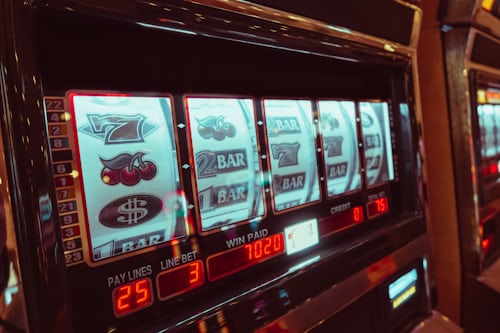
In addition to direct promotions, casinos often employ psychological tactics in their advertising. Many campaigns highlight the thrill and potential for life-changing wins, appealing to emotions and fantasies. By presenting gambling as a pathway to excitement and fortune, marketing campaigns can effectively draw in individuals, some of whom may not have previously considered gambling as an option. Understanding these strategies allows prospective gamblers to approach promotions with a critical eye, recognizing the influence of marketing on their decisions and potentially steering them away from impulsive choices.
The impact of marketing extends beyond the initial attraction to gambling activities, as continued promotions can reinforce gambling behaviors. Players may feel compelled to return to a casino due to ongoing offers, creating a cycle of engagement that can lead to increased spending over time. By critically assessing marketing strategies, gamblers can develop greater awareness of how these influences shape their experiences and choices within the gambling environment. This awareness is essential for cultivating a responsible approach to gambling that prioritizes personal well-being over fleeting rewards.
Understanding Responsible Gambling Through Education
Understanding the psychology behind casino gambling is crucial for promoting responsible gambling practices. Education plays a key role in equipping individuals with the tools necessary to navigate their gambling experiences safely. By increasing awareness of the psychological factors at play, individuals can make informed decisions and recognize the signs of problematic gambling behaviors. Educational initiatives can empower players to set limits and engage in self-reflection concerning their gambling patterns. This proactive approach can help mitigate the potential negative consequences of gambling.
Responsible gambling programs often incorporate insights from behavioral psychology to promote healthy habits. These might include techniques such as mindfulness and self-awareness, helping individuals recognize when their gambling might be driven by emotional factors rather than informed decision-making. Additionally, providing resources for those struggling with gambling addiction can foster a supportive community, giving individuals the chance to seek help without stigma. This network of support is vital for individuals who may feel isolated in their gambling experiences.
Casinos themselves can contribute positively to responsible gambling initiatives by implementing policies that prioritize player well-being. This may encompass setting up self-exclusion programs, offering educational materials onsite, and creating environments that foster healthy gambling habits. By promoting responsible gaming practices, casinos not only serve to protect their customers but also enhance their overall reputation in the industry. This dual focus on entertainment and accountability can lead to a more sustainable gambling environment that benefits everyone involved.